

For decades, the cannabis world has been guided by a simple rule: Indica for relaxation and Sativa for energy. This classic distinction is a great starting point, but the full story is much more fascinating and complex. Modern science shows that a strain’s effects are less about its Indica or Sativa label and more about its unique chemical profile.
The Classic Breakdown: A Handy Rule of Thumb
| Feature | Indica | Sativa |
|---|---|---|
| Typical Effects | Body-heavy, relaxing, sedating | Cerebral, energizing, uplifting |
| Best For | Nighttime use, stress relief, sleep | Daytime use, creativity, socializing |
| Plant Structure | Short, bushy, wide leaves | Tall, lanky, narrow leaves |
| Flowering Time | Shorter (8-10 weeks) | Longer (10-16 weeks) |
| Origins | Mountainous regions (e.g., Hindu Kush) | Equatorial regions (e.g., Thailand, Colombia) |
Indica: “In Da Couch”
The name “Indica” originates from the Indian subcontinent, where these plants adapted to harsh, mountainous climates. They typically produce a heavy body buzz that is deeply relaxing. Think of Indica strains as your evening nightcap—perfect for unwinding after a long day, relieving pain and muscle tension, and promoting restful sleep.
Popular Indica Strains: Northern Lights, Granddaddy Purple, Purple Kush
Sativa: “Cerebral and Uplifting”
Sativa plants thrive in warmer, equatorial climates. Their effects are primarily head-focused and energizing. A good Sativa can spark creativity, boost focus, and provide a euphoric, uplifting experience that is ideal for daytime activities, social events, or tackling creative projects.
Popular Sativa Strains: Sour Diesel, Jack Herer, Durban Poison
The Modern Reality: It’s All About Chemistry
Here’s the most important part: Most strains today are Hybrids. Breeders have crossbred Indica and Sativa plants for generations to create unique effects, flavors, and growth characteristics.
The true effects of a cannabis strain are determined by its chemical composition, not just its name. The two most important factors are:
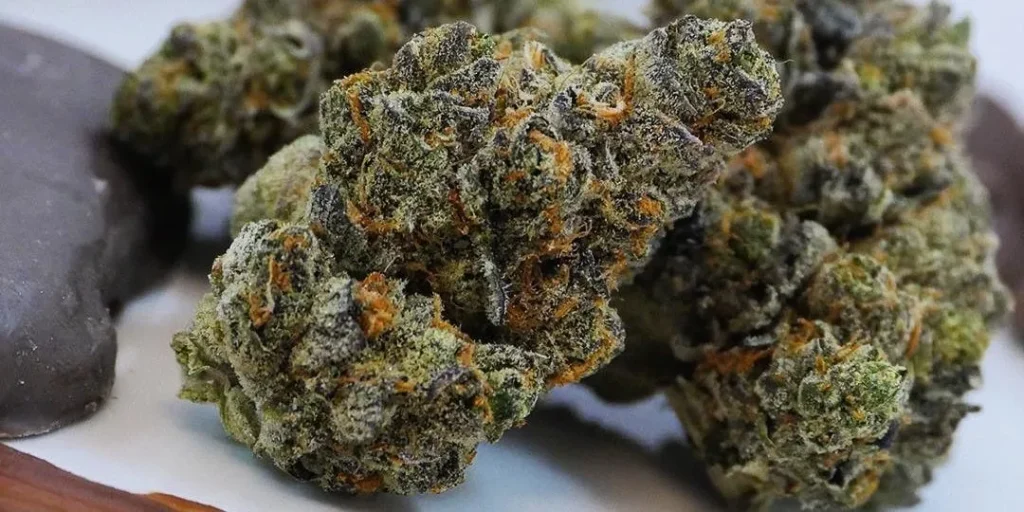
- Cannabinoids: The most well-known are THC (psychoactive) and CBD (non-psychoactive, calming). The ratio of these compounds plays a huge role in the overall experience.
- Terpenes: These are aromatic compounds that give cannabis its distinct smell and flavor. Critically, they also influence the effects through what’s called the “Entourage Effect.”
Key Terpenes and Their Effects:
- Myrcene: Earthy, musky aroma. Promotes relaxation and sedation (common in Indica-leaning strains).
- Limonene: Citrusy aroma. Can elevate mood and reduce stress.
- Pinene: Pine aroma. May aid focus and alertness.
- Caryophyllene: Peppery, spicy aroma. Known for its potential stress-relieving properties.
A strain labeled “Sativa” that is high in the relaxing terpene Myrcene might actually make you feel calm, not energetic. This is why the old labels can sometimes be misleading.
How to Actually Choose the Right Strain
- Identify Your Desired Experience: Are you looking to sleep, relax, get creative, or go for a hike?
- Read the Lab Report (COA): The Certificate of Analysis is your best friend. It details the cannabinoid and terpene profile, giving you a scientific basis for your choice.
- Look Beyond the Name: Pay more attention to the reported effects and terpene content than whether it’s called Indica or Sativa.
- Start Low and Go Slow: Especially with a new strain, start with a small amount to see how it affects you personally.
Conclusion: A Useful Guide, But Not a Law
The Indica/Sativa distinction is a helpful, traditional framework for predicting effects, but it’s not perfect. The future of cannabis is in understanding terpenes and cannabinoids.
At Cannaleafsbud.com, we provide detailed lab reports for all our products. We encourage you to explore, ask questions, and focus on the chemical profile to truly find the perfect strain for your needs.
Ready to explore our lab-tested strains?
Shop Our Premium Indica Strains | Shop Our Energizing Sativa Strains | Browse All Hybrids